


Foot Mechanics and Gait Cycle
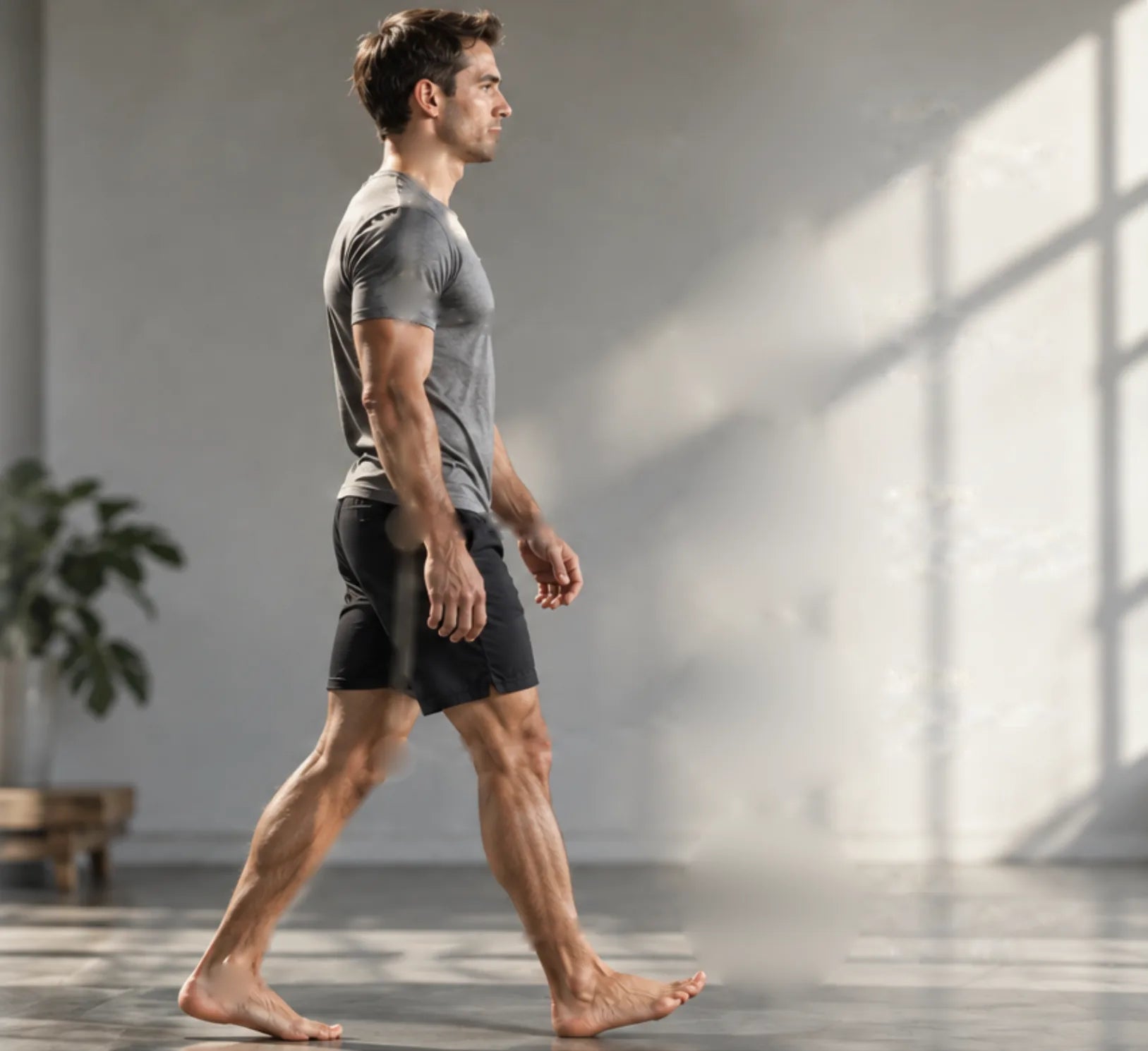
THE GAIT CYCLE
The Gait Cycle in Simple Steps
Each phase plays a specific role in stability, balance, and forward movement.
-
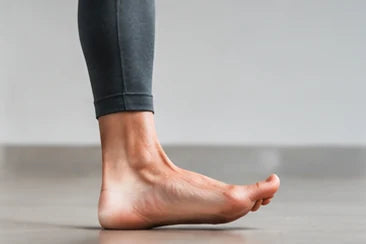
Heel Strike
Initial contact and shock absorption.
-
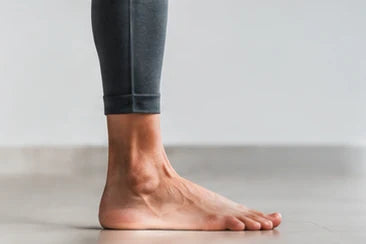
Foot Flat
Load acceptance and stability.
-
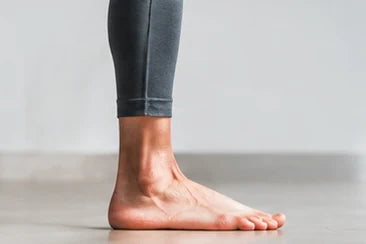
Mid Stance
Balance and forward progression.
-
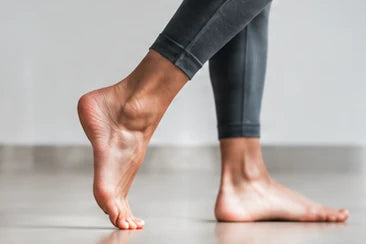
Push Off
Propulsion and power generation.
-
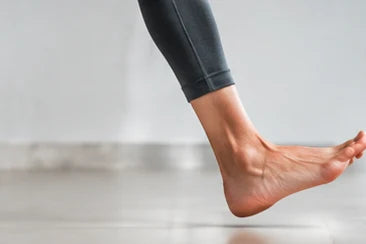
Swing Phase
Clearance and preparation for the next step.
WHY THE FEET CHANGE EVERYTHING
The Foundation
That Moves Your Entire Body
Your feet are the first input your brain receives when you stand, walk, and move. They provide constant sensory information that helps your nervous system organize your posture and movement.
When the feet do not send accurate information, the knees, hips, pelvis, spine, and neck compensate. This can lead to poor posture, inefficient movement, and increased strain throughout the body.
-
NECK
Compensates for changes below.
-
SPINE
Adapts to pelvic position.
-

PELVIS
Follows the position of the hips and feet.
-
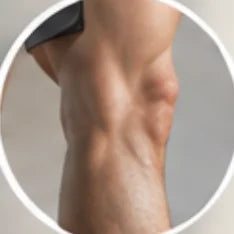
KNEES
Adjust to maintain balance.
-
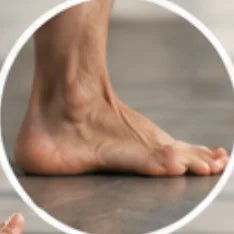
FEET
Send the first input to your brain.
WHAT YOU LEARN INSIDE
A Practical, Step-by-Step Course
Clear explanations, real examples, and practical tools you can apply right away.
-
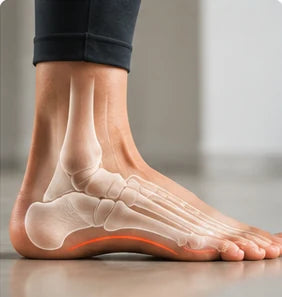
Foot Structure and Function
Understand the anatomy of the foot and how it supports body alignment.
-
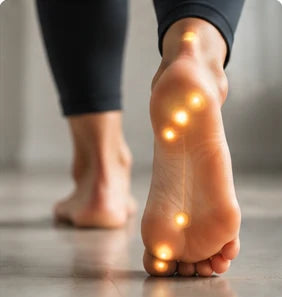
Sensory Receptors
Learn how foot feedback influences balance, stability, and movement patterns.
-
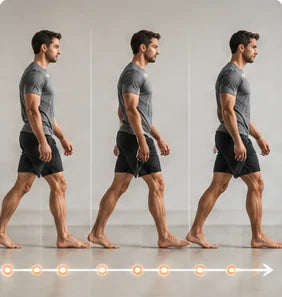
Gait Cycle Analysis
Understand stance, swing, and how walking mechanics shape posture.
-
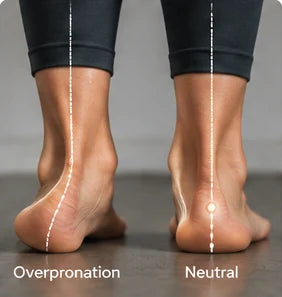
Imbalances and Corrections
Identify pronation, supination, flat feet, high arches, and mixed foot patterns.
-
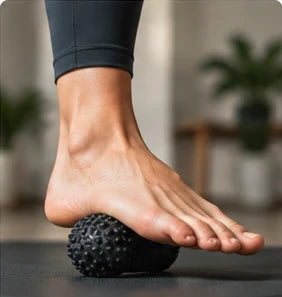
Advanced Foot Rehabilitation
Apply proprioceptive exercises and neuromuscular re-education for longer-term results.
Frequently asked questions
What are the phases of the gait cycle?
The gait cycle describes the movements your body makes during one complete walking stride. It consists of two main phases: stance, when your foot is on the ground, and swing, when your foot moves forward. Understanding these phases helps explain how your body absorbs impact, maintains balance, and generates movement.
How do foot mechanics affect posture and body alignment?
Your feet provide sensory information that helps your nervous system coordinate balance and movement. Changes in foot mechanics can influence how your ankles, knees, hips, and pelvis move together, potentially affecting posture and overall movement efficiency.
What is the difference between pronation and supination?
Pronation and supination are natural movements of the foot during walking. Pronation helps your foot adapt to the ground and absorb impact, while supination contributes to stability and propulsion. Problems may arise when these movements are excessive, restricted, or poorly coordinated.
Can poor foot mechanics contribute to knee, hip, and lower back pain?
Foot mechanics influence how forces travel through the lower body during walking. Altered movement patterns may contribute to stress on the knees, hips, and lower back, although pain can have multiple causes. Understanding gait mechanics helps identify movement patterns that may be relevant.
How can you tell if your walking pattern is abnormal?
Uneven steps, excessive inward or outward foot movement, differences in stride length, and difficulty maintaining balance can indicate changes in gait mechanics. Gait analysis examines how the feet, ankles, knees, hips, and pelvis coordinate during walking.
Can you improve your gait and walking mechanics?
Walking patterns can change through appropriate interventions, depending on the underlying cause. Understanding foot mechanics, sensory feedback, and the different phases of walking provides a foundation for identifying movement patterns and selecting suitable corrective strategies.
Foot Mechanics and Gait Cycle
Discover how your feet influence posture, balance, and the way your entire body moves. The Foot Mechanics and Gait Cycle online course teaches you how to assess walking patterns, recognize foot imbalances, and apply practical corrective techniques. Get instant access to the course, start with foot structure and sensory receptors, and progress through gait analysis and rehabilitation strategies at your own pace.